Boundary Criteria
Waterfront Property Criteria
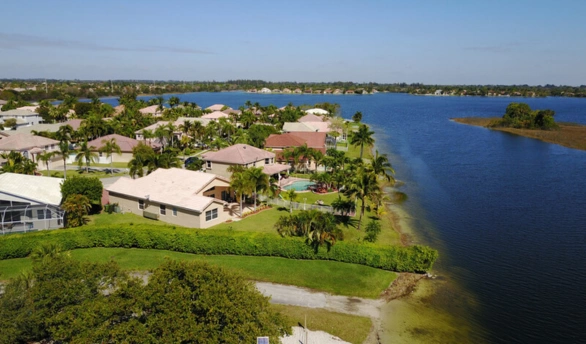
To be considered waterfront, a property must extend to the mean high-water mark for bodies of water that are tidally influenced (oceans, bays, Intracoastal). For bodies of water that are not influenced by the tide (freshwater rivers, lakes, ponds, creeks) the property line must extend to the ordinary high-water mark. To be safe, you should get a survey to ensure that that the property is waterfront. Riparian rights in Florida grant waterfront property owners the right to an unobstructed water view. However, if there is a gap between the property line and the waterway, the right to an unobstructed view is null.

Important Considerations When Purchasing Waterfront
The type of waterfront property that you select will largely depend on how you intend to use the water. If you purchase waterfront property in a community that is governed by an HOA, be sure to review the HOA docs carefully. You may be prohibited from swimming, fishing, boating, and even kayaking. If waking up every morning and sipping your coffee on a balcony overlooking a tranquil water view is your goal, you won’t have as much due diligence as a boating enthusiast.
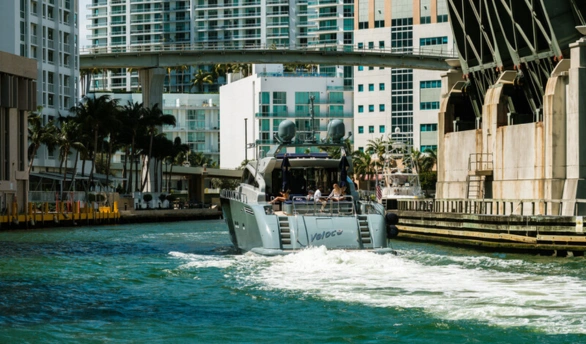
If boating is your goal, you might consider purchasing on a canal or the Intracoastal. Here are some important considerations when buying a boating property:
- Research both city and county zoning restrictions on boat size and type.
- Consider water depth and canal width.
- Map the path to the ocean to see if there are any fixed bridges. While draw bridges open to accommodate larger boats, fixed bridges vary in their clearance.

Conclusion
A lot that extends to the ordinary or mean high water mark is considered a waterfront property. Be sure to get a survey because you won’t be granted riparian rights if the property falls short of this important boundary line. Florida offers many types of waterfront properties. Whether you chose to buy a boating property on a canal or a lakefront home in an HOA community, be sure to do your due diligence to ensure you will be able to enjoy your water hobbies without restrictions from HOAs and local zoning laws.
- Verify Boundaries Early: Secure a certified property survey to confirm your lot extends precisely to the ordinary or mean high-water mark.
- Protect Riparian Rights: Falling short of the high-water line invalidates your legal right to unobstructed water views and access.
- Diverse Water Access: Choose between dedicated ocean-access boating canals or peaceful inland lakes tailored to your lifestyle.
- Perform Due Diligence: Review local zoning laws and HOA restrictions to ensure your water hobbies can be enjoyed without penalty.
