
Understanding Monthly Fees
Maintenance Fees Explained

Common areas
Common areas refer to spaces that are jointly owned by the association or all homeowners. These spaces require ongoing upkeep to maintain comfort, safety, and appearance. As a result, maintenance often includes:
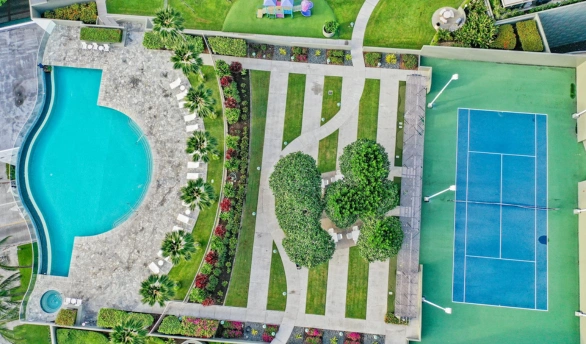
- Electricity for lighting common areas: Hallway, lobby, clubhouse, landscape lighting
- Landscaping the grounds
- Maintenance of amenities: Pool, sports courts, fitness center, playgrounds etc.
- Parking lot or garage
- Private roads in some cases
- Common Laundry Facilities

Recreation Facilities
In many communities, recreational facilities overlap with common areas. These spaces are designed for leisure and social activities. For instance, residents may enjoy:
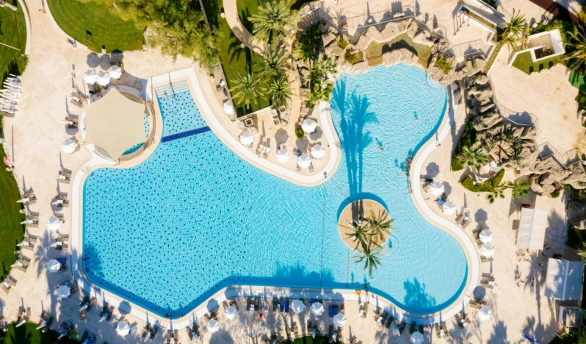
- Community Pool
- Clubhouse
- Fitness Center
- Playground
- Tennis Courts
- Basketball Courts

Utilities & Services
In some associations, utilities are bundled into the monthly maintenance fees to simplify billing and reduce overall costs. Moreover, this approach helps maintain consistent service quality across the community.
Additionally, pest control is often provided to prevent infestations that could occur due to varying cleanliness levels among residents.
Common utilities and services included in maintenance fees include:
- Cable
- Internet
- Pest Control
- Trash Removal
- Water
- Security

Additional Expenses
- Insurance: The association typically carries a master insurance policy that covers the building and common areas. The type of master policy determines how much coverage owners must purchase on their own. Individual owners are usually required to obtain an HO-6 insurance policy to cover the interior of the unit and their personal property.
- Roof & Exterior Maintenance: The roof and exterior of the building are typically covered by the master insurance policy. If repairs or maintenance are not covered, owners may be required to pay a special assessment to cover the cost.
- Building Reserves: Associations typically set aside a portion of monthly maintenance fees into a reserve fund for future repairs and major expenses. If repairs are needed that are not covered by the master insurance policy and reserve funds are insufficient, the association may issue a special assessment to homeowners. Always review the association’s budget before purchasing a condo, as low reserves—especially in older buildings—can indicate a higher risk of future special assessments.
- Management Fees: Unless stated in the condo bylaws, the association’s board of directors typically works on a volunteer basis without compensation. While it is uncommon for board members to be paid, many associations hire a professional management company funded through maintenance fees. These fees cover daily operations such as screening buyers and tenants, coordinating maintenance, handling resident concerns, and managing insurance policies.
